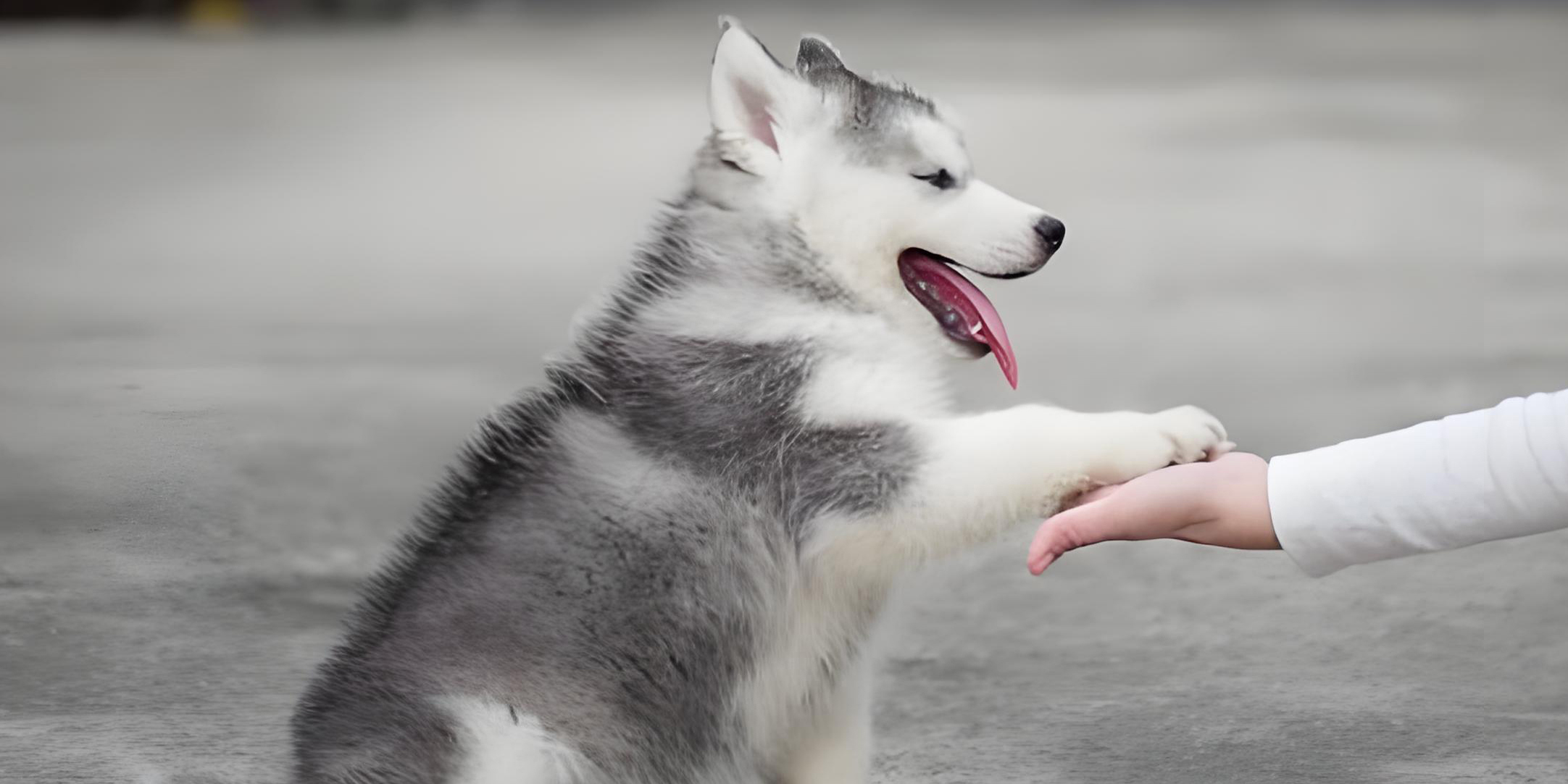
Ultimate Puppy Potty Training Guide for New Dog Parents (Step-by-Step Method, Pro Tips & Mistakes to Avoid)
Struggling with puppy potty training in a small apartment, busy household, or urban environment like Los Angeles?
Don’t worry—you’re not alone. Whether you’re raising your very first pup or just looking for a better routine, this complete guide to potty training a dog at home will walk you through a proven system that works in just 2–4 weeks.
This guide is especially helpful for:
- Apartment dog owners
- First-time puppy parents
- Busy schedules with limited outdoor access
- Indoor potty training setups (pads, turf systems)
🐶 1. Best Age to Start Potty Training a Puppy
- Ideal Training Age: 8 to 16 weeks old
- Why: Puppies start developing bladder control
- Golden Rule: Patience + Consistency
- Training Duration: Most puppies learn in 2 to 4 weeks
💡 Pro Tip (Urban Living): In cities like Los Angeles, many pet owners start with indoor potty training before transitioning outdoors due to apartment living and limited green space.
✅ 2. The 4-Step Puppy Potty Training Method
📍 Step 1: Designate a Fixed Potty Spot
Outdoor training: Take your puppy to the same spot (grass/tree) each time. Smell cues help them understand what to do.
Indoor training:
- Use an exercise pen and fully line the floor with puppy pads
- Gradually reduce the pads to one over time
Potty Pad Reduction Plan:
| Time Period | Potty Pad Setup |
|---|---|
| Days 1–3 | Full coverage |
| Days 4–7 | Reduce to 2/3 |
| Week 2+ | 1 pad only |
💡 Apartment Hack: Many small dog owners use a balcony potty system or artificial grass patch to simulate outdoor training.
👀 Step 2: Recognize Potty Signals
Be alert for these early warning signs:
- Circling or sniffing the ground
- Whining or pawing at the door
- 10–15 minutes after eating or drinking
- Timing is everything: bring them to the potty spot within 5 seconds!
🎉 Step 3: Immediate Reward Reinforcement
- After successful pottying: give enthusiastic praise + treats within 3 seconds
- If they go in the wrong spot: don’t yell—calmly clean it up to prevent fear-based hiding behavior
🕒 Step 4: Stick to a Consistent Potty Schedule
| Routine Time | Action Required |
|---|---|
| After waking up | Go straight to potty area |
| After meals | Wait at potty spot for 10 minutes |
| After playtime | Lead to potty spot |
| Before bedtime | Last potty chance of the day |
Bladder Tip: Max holding time = Puppy’s age (months) + 1
E.g., 3-month-old = 4 hours max between potty breaks
💡 Consistency Tip: A predictable dog potty training schedule is the #1 factor in successful housebreaking.
🧼 3. How to Handle Potty Accidents
If You Catch Them in the Act:
- Interrupt gently (e.g., clap your hands)
- Pick them up and move to the correct spot
- If they finish there, still give a treat
If You Find It Later:
- Never punish—your dog won’t understand
- Clean with an enzyme-based cleaner (removes all odor cues)
Recommended: Nature’s Miracle Enzymatic Cleaner
Prevent Repeats: Spray citrus-scented deterrent on previously soiled spots (Dogs dislike citrus)
💡 Why Enzyme Cleaners Matter: Standard cleaners leave behind invisible scent markers that encourage repeat accidents.
⚠️ 4. Most Common Potty Training Mistakes
| Mistake | Do This Instead | Why It Works |
|---|---|---|
| Scolding for accidents | Ignore mistakes, reward good | Fear leads to hidden accidents |
| Using regular cleaners | Use enzyme-based solutions | Regular cleaners leave smell behind |
| Keeping pads long-term | Gradually transition outside | Adult dogs can get pad-dependent |
| Playtime right after meals | Potty first, then play | Excitement speeds digestion → accidents |
🔧 5. Advanced Challenges & Fixes
Marking Behavior (Leg Lifting)
- Common after 6 months (especially in males)
- Solution: Neuter to reduce hormone-driven marking or use a male dog belly band outdoors
Rainy Day Refusals
- Set up a temporary balcony potty with artificial turf
- PETMAKER Indoor Dog Potty is a good choice
Incontinence in Senior Dogs
- Rule out medical causes (e.g., kidney issues, diabetes)
- Use doggy diapers at night - Recommended brand: Simple Solution
🗝️ 6. Key Success Factors
- Time Commitment: Puppies: 6–8 potty trips/day, Adults: 3–4 trips/day
- Odor Elimination: Always use enzyme cleaners to prevent re-marking
- Health Monitoring: Frequent accidents could signal UTIs, especially in females
Easy-to-Remember Training Mantra:
- “After meals and naps, go watch and act.
- Catch signals fast, rewards must last.
- Ignore mistakes, clean up well—
- Potty training will go swell!
✅ In 2 Weeks, Expect 90% Success! Stick to this plan, and your puppy will be mostly house-trained in just 14 days.
If things aren’t improving, first rule out health issues (like bladder infections or anxiety), then adjust your training method accordingly.
📍 Puppy Potty Training for Apartments & Small Spaces
Living in an apartment doesn’t make potty training harder—it just requires the right system. Indoor potty pads, artificial grass patches, and strict schedules can fully housebreak a puppy even without immediate outdoor access.
❓ FAQ: Puppy Potty Training
How long does it take to potty train a puppy?
Most puppies can be trained within 2–4 weeks with consistent routines.
Can you potty train a puppy in an apartment?
Yes. Indoor pad training or balcony setups are highly effective.
Why does my puppy keep having accidents?
Common reasons include inconsistent schedule, incomplete cleaning, or lack of supervision.
Get the Puppy Potty Training Chart Printable
✔️ Clear daily potty schedule
✔️ Accident handling guide
✔️ Works for puppies & first-time owners
💡 Best for structured home training and routine building.
For medical-related accidents, consult your veterinarian first.
Dog Potty Schedule, Accident Handling & Housebreaking Guide (A4 & US Letter Sizes) are included. Print and pin it near your puppy’s crate, on the fridge, or training station. One quick glance and you’ll know exactly what to do—no more second guessing.
🎁 Free Photo Tag Canva Template
Download a simple, customizable photo tag template to create a sweet, personal tag for your pet.
Get the Free Photo Tag TemplateRelated Dog Training Guides
👉 Dog Separation Anxiety: Causes & Solutions
👉 How to Stop Dog Barking Without Stress