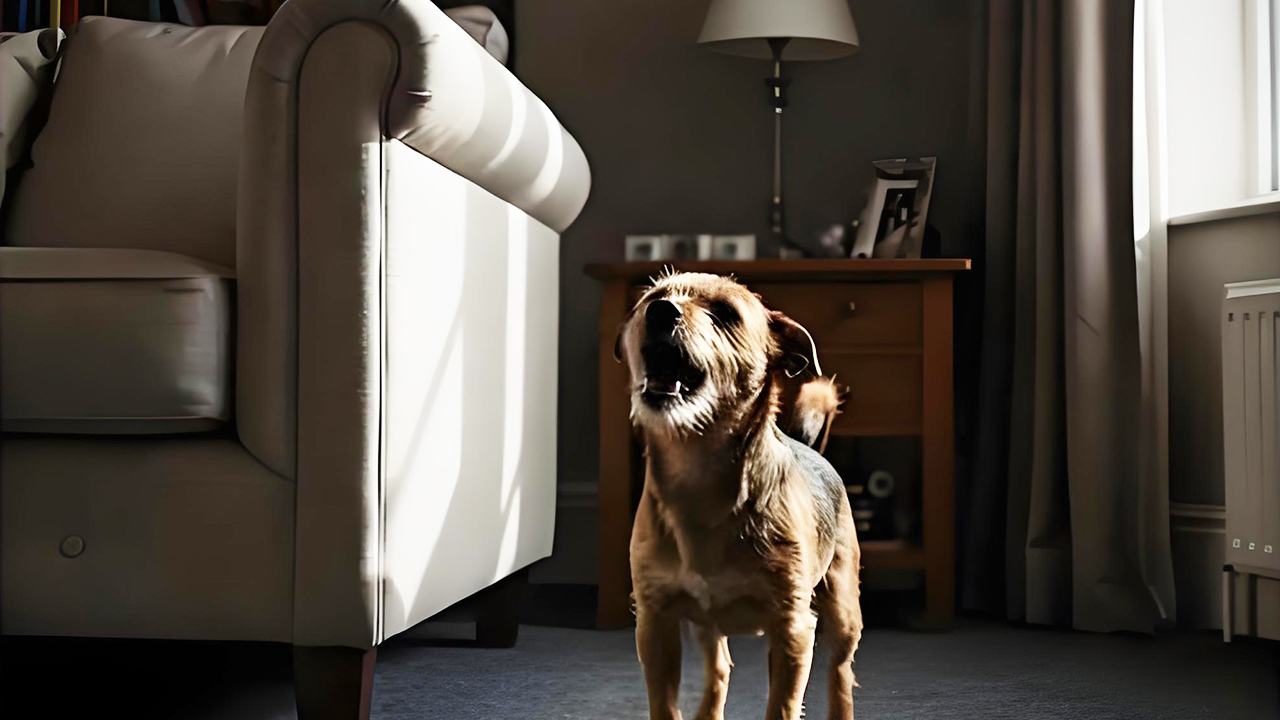
Dog Barking When Left Alone: Causes, Fixes & How to Stop It Fast
If your dog barks nonstop the moment you leave the house… you’re not alone.
This is one of the most common problems for dog owners—especially in apartments, shared housing, or busy cities where noise travels fast and neighbors notice quickly.
Whether it’s barking, whining, howling, or scratching at the door, this behavior can be stressful for both you and your dog.
The good news?
👉 You can fix dog barking when left alone — without yelling, punishment, or expensive trainers.
🐶 Why Do Dogs Bark When Left Alone?
Understanding the cause is the key to fixing the behavior.
1. Separation Anxiety
If your dog panics when you leave, barking is a distress signal.
👉 Learn more here:
Dog Separation Anxiety: Causes & Solutions
2. Boredom & Lack of Stimulation
Dogs left alone with nothing to do will create their own “activity” — barking.
3. Environmental Triggers
Sounds like:
- Hallway footsteps
- Doors closing
- Other dogs barking
👉 Especially common in apartments
4. Learned Behavior
If barking gets attention (even once), dogs repeat it.
⚠️ Why This Problem Gets Worse Over Time
Ignoring the issue doesn’t make it go away.
In fact, it often leads to:
- Longer barking sessions
- Increased anxiety
- Neighbor complaints
- Potential eviction risks (in strict housing situations)
👉 Early training is critical.
✅ How to Stop Dog Barking When Left Alone
Here’s a simple, proven approach:
Step 1: Build Independence Gradually
Start with very short absences (5–10 minutes), then slowly increase.
Step 2: Remove “Departure Triggers”
Pick up keys, wear shoes, and sit back down — repeat until your dog stops reacting.
Step 3: Create a Safe, Calm Space
Use a crate or playpen with:
- Blankets
- Favorite toys
- Calm environment
Step 4: Use Mental Stimulation
Before leaving:
- Puzzle toys
- Frozen treats
- Snuffle mats
👉 A busy brain = less barking
Step 5: Reward Calm Behavior
Return home only when your dog is calm — not barking.
🧠 Pro Tip: Barking Alone = Often Anxiety
If your dog:
- Barks immediately after you leave
- Paces or scratches doors
- Has accidents indoors
👉 This is likely anxiety-related.
You should also read:
Step-by-Step Guide to Reducing Dog Barking
🏙️ Apartment Dog Owners: Special Advice
If you live in an apartment:
- Use white noise to mask outside sounds
- Close curtains to reduce visual triggers
- Inform neighbors you’re training your dog
- Train during daytime first
👉 Small changes make a big difference.
🧩 A Simple Plan That Helps Reduce Barking (Even When You’re Away)
If your dog barks when left alone, the root issue is usually a mix of:
- Lack of calm behavior training
- Overreaction to triggers
- In some cases, mild separation-related stress
👉 That means you don’t always need a “complex anxiety program” to start seeing improvement.
Instead, what most dogs need first is:
✔️ Clear structure
✔️ Daily calm training
✔️ Consistent reinforcement
That’s exactly what this plan focuses on.
We created a simple, structured solution:
No More Barking! 14-Day Quiet Dog Training Plan
✔️ Daily step-by-step tasks
✔️ Trigger tracking system
✔️ Progress tracker
✔️ Designed for busy owners
Only 10–15 minutes per day.
💡 Note: This plan is designed to reduce everyday barking behaviors and improve calm responses. For severe separation anxiety (panic, self-harm, nonstop distress), combining this with a dedicated anxiety training plan or professional guidance is recommended.
---❓ FAQ: Dog Barking When Left Alone
How long does it take to stop barking?
Most dogs improve within 1–2 weeks with consistent training.
Will my dog grow out of it?
No — without training, it usually gets worse.
Should I ignore barking?
Only partially — you must also train calm behavior actively.
Is this separation anxiety?
Often yes, especially if it starts immediately after leaving.